Winter Food
Many of us travel for food. And even if that is not a priority, it is one of those factors that shapes our experience of a place extensively. Combine each travel experience with the season we venture out to, and India doesn’t cease to surprise us. Apart from being scientifically healthy, most our winter produce are delicious. With the chill and mist rising every day, I bring to you the winter food specialties in India –
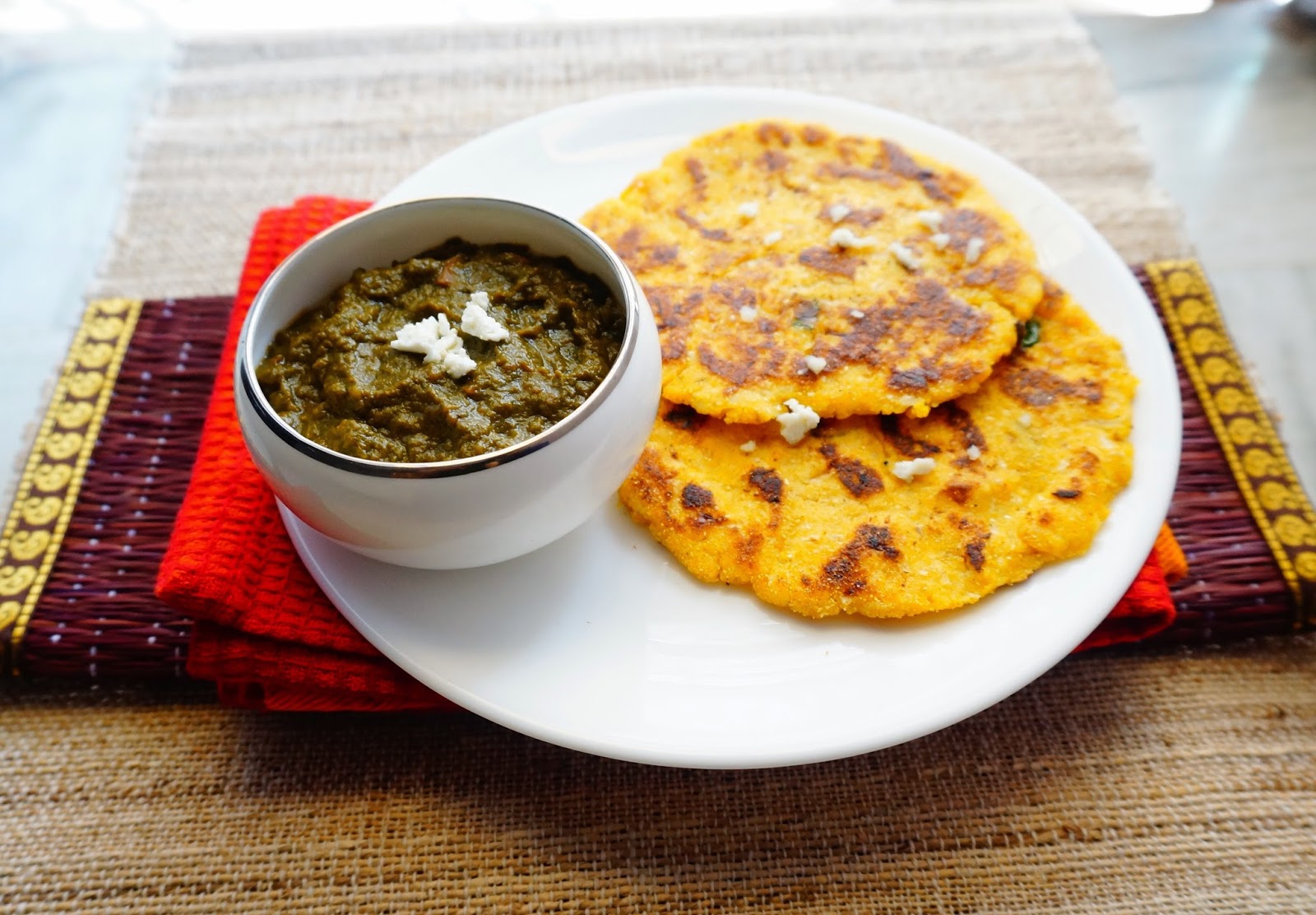
I don’t know anyone who has escaped the charms of this one. The first time I was introduced to this deliciousness in a plate was in Delhi by a Punjabi friend. As a ritualistic rice-eater, rotis don’t go very well with my taste palate. But when I tasted the ghee-glazed makki (corn) roti in combination with the rich green spinach preparation, I was in love.
Authentically: Punjabi.
Best served: As a whole meal with lots of white, homemade butter.
Traditionally cooked in earthen pots, oondhiya is a winter bowl of vegetables. Primarily made of root vegetables, this dish is spiced up with some masala. The usual ingredients here are papdi, jawar and white aubergine. Even though I did not have the most authentic taste of it, I can understand why it is comfort food for a lot of Gujaratis.
Authentically: Gujarati.
Best served: With puri and shrikhand.
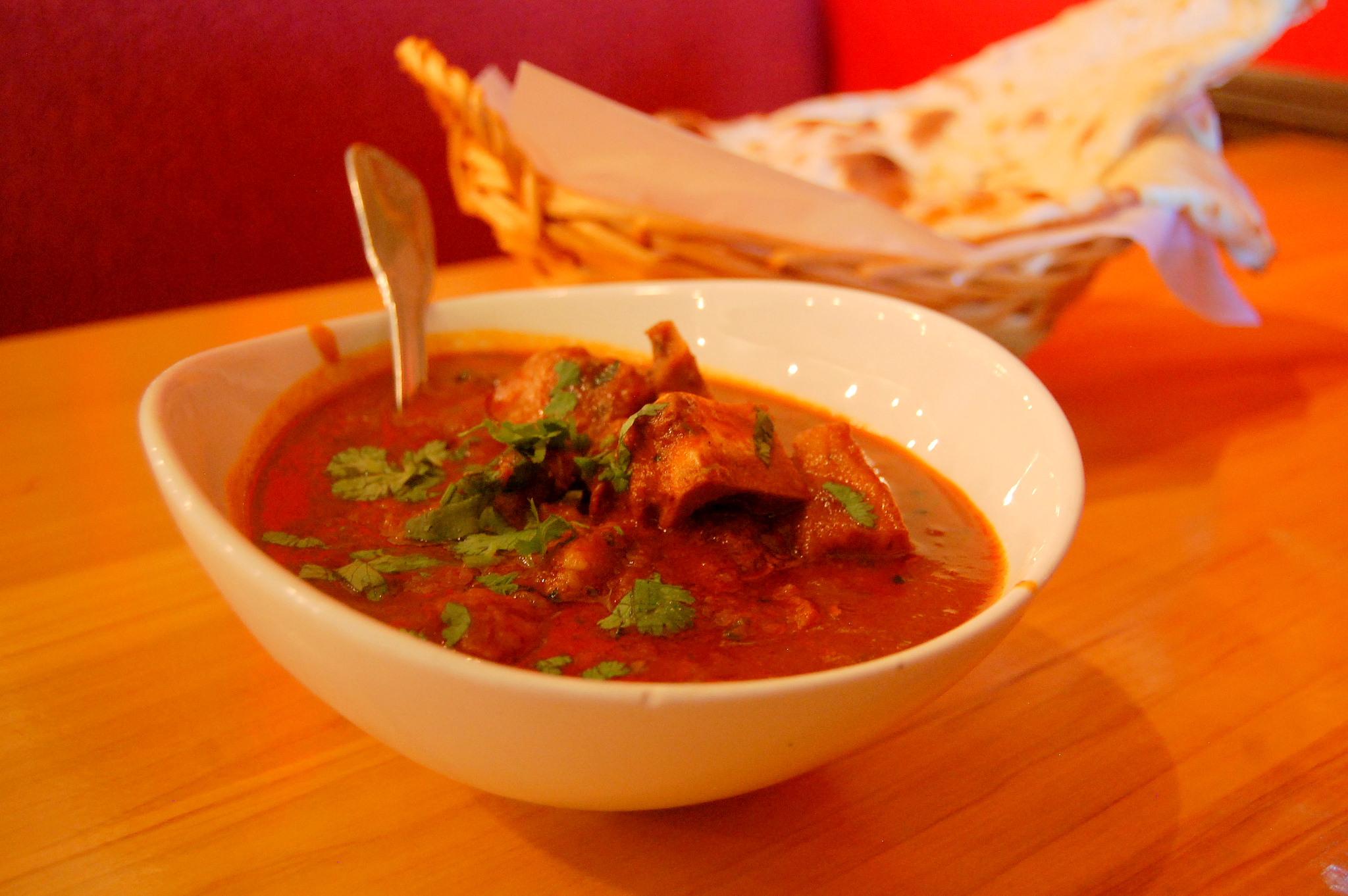
Even though this Kashmiri delicacy is prevalent through the year, its hardly irresistible when the temperatures are low. This lamb dish is lightly curried and spiced up with local chillies and masalas. In the cold months, the spice produces heat to the body while the red meat helps the body to keep warm for longer hours.
Authentically: Kashmiri.
Best served: With steamed rice.
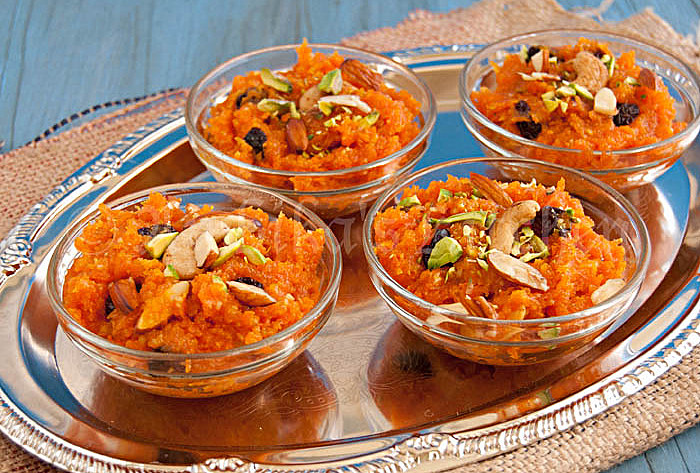
A warm dessert and favourite amongst most Indians, gajar ka halwa is one of those where one helping is too little. The sweetened carrot, which is doused with ghee and garnished with dry fruits—a combination that seeks homage in most north Indian weddings during winters. There is some comfort in the sweetness of the orange vegetables on a chilly winter night, though personally, I do find it a bit overly sweet.
Authentically: (probable) Punjabi.
Best served: After a fulfilling meal.
It wasn’t my first time in Rajasthan but it was a definite introduction to rather ‘different’ rotis. My first visit to Chowki Dhani in Jaipur was the first place where I experimented with these nutritious Indian breads. Made of ground millet flour, these rotis are eaten with generous amounts of jaggery (also an heat ingredient). It was one of the many things in my thali, however, the taste has remained with me ever since.
Authentically: Rajasthani.
Best served: With butter, ghee or jaggery.
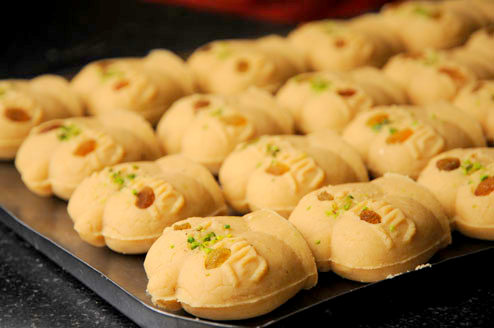
Bengal is synonymous to its sweets and this one is a winter special. Nulen gurer sandesh is made of jaggery, which is an Indian favourite as a sweetening agent. Date palm is known for its warming affect and this local sweet is charmer when it comes to being the best of health and indulgence. We don’t blame you for going overboard!
Authentically: Bengali.
Best served: At any hour of the day.
Featured Image – Image source: India Food Network
Follow us on Facebook and Twitter
We deliver good food in trains. Download our mobile app from Google Playstore
India’s First Vande Bharat Sleeper Train — A New Era in Overnight Travel On January…
Jain Food Delivery – How TravelKhana Deliver Special Meals Traveling by train across India is…
Things to Know Related to Indian Railways Break Journey Norms Things to Know Related to…
Indian Railways to Launch a Food Court at New Delhi station IRCTC and Indian railways…
Jhansi's Bond with Its Rani Still Strong TravelKhana offers the train passengers an exhaustive range…
Travelling back to the Heritage through Toy Trains of Shimla Although, there are many routes…